Frequently Asked Questions
-
My position on short-term rentals is supportive, as they are an incredibly important part of the tourism economy in Breckenridge (about a third of the total tax revenue for the town) and help sustain many local businesses and jobs.
I’m also involved in the industry through my Executive Board roles with Summit Alliance of Vacation Rental Managers and Colorado Short Term Rental Alliance, so I understand both the benefits and the challenges they bring.
At the same time, I believe some thoughtful regulations are necessary to maintain a balanced community where residents still have opportunities to live and buy homes locally.
The current zoning map for short-term rentals was created at a time when the town was preparing to significantly reduce license numbers across the board. That zoning approach helped preserve capacity while still protecting certain areas for local housing and in many ways it worked as intended.
However, the town adjusted percentage caps within those zones to keep overall numbers lower which changed how the system functions without allowing the zoning map itself to evolve.
Moving forward, the first step should be adjusting those percentage allocations so the zoning framework can operate more as originally intended.
From there, we should begin the process of updating the Land Use District descriptions, which were written in the 1990s and do not fully reflect today’s land use.
The short-term rental zoning map has now been in place for more than five years without a full review by council, and I believe it is time to evaluate how it’s working and make thoughtful adjustments that continue to support tourism while maintaining a balanced, livable community.
-
A decrease in tourism revenue will impact the entire community, and realistically there is no way to completely avoid that in the short term. When fewer visitors come to Breckenridge, there is simply less money flowing through local businesses and into town revenues. That means everyone—from the town government to local businesses—will likely need to tighten their belts until visitation rebounds.
Moving forward, the best strategy is to focus on maintaining demand. Continued and expanded marketing from organizations like the Breckenridge Tourism Office, the Town, and partners such as Breckenridge Ski Resort will be important to keep Breckenridge visible and competitive as a destination.
We should also continue supporting events, experiences, and partnerships that attract visitors and encourage them to return.
Ultimately, the goal is to do everything we can to bring people back to Breckenridge while businesses manage our finances responsibly during the slowdown. If we stay proactive about promotion and continue investing in what makes Breckenridge special, we can stabilize visitation and help the community recover more quickly.
-
Absolutely. Even in a down economy, it makes sense to continue investing in affordable housing. In Breckenridge, we still face a significant shortfall in homes available for people who live and work in our community.
The Town has been working to build our way out of that deficit as more homes are purchased as second homes. When people buy a second home, they understandably want to use it themselves, which means those homes are typically not part of the long-term housing supply for local residents.
Everyone who lives and works in our community should be able to find a place to live in Breckenridge—whether that means renting or owning. Continuing to invest in workforce and affordable housing helps ensure Breckenridge remains a real community where people can build their lives, not just a place people commute to work.
-
Preventing negative national politics from affecting our local community starts with maintaining a culture of respectful engagement. In a place like Breckenridge, we are neighbors first, and it’s important that local leaders model the kind of behavior we want to see in the community.
When elected officials and community leaders communicate openly, listen to different perspectives, and disagree respectfully, it helps set the tone for everyone else.
Local government should stay focused on solving the practical issues that affect people’s daily lives—housing, transportation, childcare, and economic stability—rather than getting pulled into national political divisions.
By keeping conversations constructive and centered on shared community goals, we can maintain the collaborative spirit that makes Breckenridge a strong and welcoming place to live and work.
-
Water conservation, material management and climate action.
-
Water Conservation: expand policies and strategies I’ve already been implementing on smaller scales. Reducing water usage requires both smarter technology and better long-term landscaping choices.
In my own work managing multiple complexes and neighborhoods around Breckenridge, I’ve already taken steps to reduce irrigation by reducing watering times, upgrading systems and implementing smart watering controls where they are effective. These systems help ensure landscapes are only watered when necessary and can significantly cut down on unnecessary water use.
I also strongly support transitioning toward landscaping and grasses that require far less irrigation. In many cases, drought-tolerant landscaping is one of the most effective long-term solutions for reducing water demand, although those decisions are not always fully within my control when working with different property owners. For the Town, we would need to adjust codes and regulations that require the landscaped grass, and start working with property managers to adjust their requirements for grasses and plants needing the additional irrigation.
Another approach I’ve been encouraging homeowners to adopt for years is installing water sensors and leak detection systems. These technologies can quickly identify issues such as running toilets, plumbing leaks, or irrigation problems before they waste large amounts of water. The Town’s new smart meter systems are a great start, but a lot of places have one meter for multiple units so those sensor systems need to placed by owners within the homes. This would require education, options and easy to find systems to provide to homeowners to install.
Beyond conserving water, they also help prevent property damage and reduce maintenance costs. Small preventative technologies like these, combined with smarter landscaping choices, can make a meaningful difference in reducing overall water use in our community.
Material management: Materials management is one of the most practical ways a community like Breckenridge can reduce its environmental impact, and it’s also one of the easiest areas to get residents and businesses involved.
Recycling has become much more common over the years, although it can still be challenging in a resort community with a high number of visitors and second homeowners who may not always be familiar with local systems.
I’ve been involved with the Breckenridge Zero Waste Task Force since 2014, working on efforts to expand and improve our materials management programs. That work has included improving recycling facilities and expanding programs for items such as household hazardous waste, electronics, mattresses, and other materials that are often difficult to dispose of responsibly.
Looking ahead, one of the most important next steps is expanding composting opportunities for both restaurants and households. Organic waste makes up a significant portion of what still goes to landfills, so increasing compost participation could make a meaningful difference.
I’m also a strong supporter of the Pay-As-You-Throw program, which helps encourage people to recycle more by tying waste costs more closely to how much trash is actually produced. Programs like these make it easier for residents, businesses, and visitors alike to participate in reducing waste and protecting the environment.
Climate Change: Enacting meaningful climate change policies in Breckenridge should start with the areas where the town itself has the most control and can make the biggest impact.
That means prioritizing sustainability improvements in town-owned infrastructure and operations. Investments in renewable energy such as solar, wind or geothermal systems for municipal buildings, along with continued improvements to energy efficiency, can significantly reduce the town’s overall carbon footprint.
Transportation is another key area. Continuing to improve public transit and transitioning municipal buses and fleet vehicles toward cleaner or electric options can reduce emissions while also improving local air quality. These types of investments also support the town’s broader goal of reducing traffic and encouraging more sustainable transportation options. I’m waiting for the day when larger equipment like snow plows become readily available to upgrade my own fleet.
Just as importantly, the town should lead by example. When local government demonstrates practical, effective climate solutions in its own facilities and operations, it helps show residents and businesses that these approaches are achievable. Setting that example can encourage broader adoption throughout the community and across Summit County.
For our local homeowners, we can add to the tax relief and refunds should we install solar panels on our homes. For workforce housing, adding those energy improvements to our home value without being included in the overall equity gain cap allotted in deed restricted neighborhoods built without those systems.
Building resilience to climate impacts in Breckenridge requires focusing on both environmental protection and economic stability. One of my biggest concerns in the near term is wildfire risk. I have managed more than half of the Firewise USA communities in town, and I’ve seen firsthand how important it is to protect homes in neighborhoods where properties can be very close together. Strengthening defensible space and wildfire preparedness is one of the most practical steps we can take right now.
I’ve been speaking with the Red, White & Blue Fire Protection District about the possibility of creating a program that would help more neighborhoods achieve Firewise standards. The idea would be a partnership where homeowners contribute sweat equity and/or funding, while the town and potentially state Firewise programs help match those efforts with materials or labor. Expanding these types of programs could significantly improve wildfire preparedness across the community.
At the same time, we have to recognize the economic impacts of changing climate conditions. A low snow year or wildfire smoke can affect visitation just as much as other environmental conditions. Working closely with the Breckenridge Tourism Office will remain important to ensure Breckenridge continues to attract visitors and maintain its market share even during challenging seasons.
By strengthening wildfire preparedness while also supporting our tourism economy, we can help the community remain resilient in the face of changing conditions.
Summit Daily News Submission: Abbey Browne
Occupation: Owner of Wood Winds Property Management
Years in Summit County: since 2004
Civic Involvement: Executive Treasurer of the BTO, member of Community Affairs Services Committee, Summit County Zero Waste Task force since 2014, Co-Chair of Together Women Rise-Breckenridge chapter, Executive Treasurer for SAVRM and COSTRA. Longtime sponsor of things like Snow Sculptures, BreckCreate, Oktoberfest, a local Breck hockey team, Summit Lost Pets and more.
Bio: Breckenridge is truly home to me. I built my career here, started a business here, and found a deep sense of community here. That perspective drives my commitment to leadership that listens, values open dialogue and involvement, and focuses on practical, data-informed solutions. Our town deserves leaders who respect the people who live, work, and spend time here and who are focused on sustaining a vibrant, livable community for years to come.
Every decision our Town Council makes shapes how we live, work, and experience Breckenridge. As a local business owner and longtime resident, I’ve seen firsthand how policy translates into real-world impact and I’m running for Town Council to help ensure those decisions are thoughtful, balanced, and grounded in reality.
I’m stepping forward now because experience matters, especially as our town navigates change. Every day, I see how decisions affect residents, employees, business owners, second homeowners, and visitors alike. I want to bring a pragmatic voice to Town Council, one that understands both our tourism-driven economy and the needs of the people who keep this community running.
I believe Breckenridge works best when we collaborate. Respectful debate, transparency, and fact-based decision-making are essential to good governance. Our community deserves leaders who ask hard questions, work across differences, and stay focused on outcomes that truly serve the town.
Encouraging more local engagement is also key to keeping Breckenridge strong.
I also believe our policies must evolve with changing conditions. Housing and short-term rental regulations should be revisited using updated data and real-world outcomes not outdated assumptions.
Whomever you may vote for, please be sure to vote by April 7 th ! Everybody needs to be involved to support our community!
SDN Article FAQs
-
I strongly support the single-use plastics ordinance. I hate seeing plastic water bottles around town or straws littering the ground when the snow melts. Reducing unnecessary waste is critical for a community like Breckenridge, where our natural environment is such an important part of our identity and economy. Items like plastic water bottles and disposable utensils have long-lasting impacts, and it’s encouraging to see the Town take meaningful steps to address that.
This is something I’ve been personally committed to for years. Since 2021, I’ve provided thousands of reusable aluminum water bottles to guests, clients, and homeowners at my business for free to help reduce reliance on single-use plastics. It’s a small step, but one that adds up over time.
I also try to encourage simple behavior changes like asking visitors to bring reusable water bottles instead of purchasing disposable ones. Often, people just need a small nudge or a convenient alternative.
While this ordinance is a great step forward, I believe we can continue building on this progress by supporting HC3 as they work with producers and retailers to explore more sustainable packaging options and encouraging other parts of Summit County to follow suit.
-
When developers request variances, there should be clear, tangible public benefits that offset those exceptions especially when it comes to traffic. Additional development can increase congestion at key intersections along Park Avenue and other areas, and necessary improvements should be required as part of approval.
Workforce housing must also remain a priority. Developers should contribute to solutions such as deed-restricted units and ADUs to support the local workforce. However, I do not support granting added density simply for including deed-restricted units. Those should be part of the existing density, not a free pass to build more market rate square footage.
There are certain codes I would not support variances on. Density, building height, and minimum parking requirements are critical to maintaining livability and community character. In fact, I believe current parking minimums should be increased, especially for hotels and larger units, to better reflect real demand, as seen all over Town. The new Stables neighborhood has serious parking issues because each home was built with 2 spaces and they are 3+ bedrooms each.
Variances should be the exception, not the rule, and when granted, they must deliver meaningful benefits to the broader community.
-
Rising costs of living are one of the biggest challenges facing our community, and there is no single solution, so we need to approach it from multiple angles.
First, we must continue prioritizing workforce housing and keeping those units as attainable as possible. Stable housing is the foundation that allows people to live and work here (see question 5).
I also support expanding and sustaining local programs that are already making a difference, including childcare scholarships, food pantry services, community dinners, and organizations like FIRC and its resale shops. These programs provide meaningful support to families navigating rising costs.
In addition, I would work with the county and local partners to strengthen job training opportunities and expand access to English language programs at CMC. Helping people build skills and access better-paying jobs is an important long-term solution.
Healthcare is one of the most difficult challenges, and one I don’t have an answer to. Many families fall into a gap where they cannot afford coverage but do not qualify for assistance now more than ever. While solutions may need to happen at the state level, I would support continued conversations locally to advocate for change.
-
One decision I would have approached differently is the Dark Sky ordinance. I understand the intent, better night sky visibility and protecting wildlife are worthwhile goals, and on single-family homes it can make sense. But in practice, there are real safety concerns that I don’t think were fully addressed.
Many walkways and parking areas are covered in snow and ice for months. Reducing lighting in those spaces increases the risk of slips and falls, especially while the Town is also pushing for more walkability. Encouraging people to walk more while making those walkways less safe simply doesn’t add up.
The implementation has also been frustrating. Retrofitting or replacing fixtures is expensive, and for large complexes those costs can easily exceed $15,000. Many of these lights are not attached to buildings, making upgrades even more difficult and in some cases perfectly good fixtures ended up in the landfill. That kind of waste is hard to justify.
I also don’t agree with the Town threatening $500 daily fines while it hasn’t fully completed its own compliance. That feels inconsistent and unfair. This is a policy that needed more practical consideration, flexibility, and a stronger focus on safety from the start.
-
Absolutely. Situations like Vista Verde II make it clear that something needs to change. It’s unacceptable that some tenants were notified just days before move-in that their rent had increased beyond what they could afford. These were people who had already been approved at certain rates, only to have those numbers adjusted last minute to meet program requirements, leaving them scrambling. In some cases, they were pushed to other towns or left without viable options.
If we are building workforce housing it must actually be affordable to the workforce. A one-bedroom unit priced at over $2,500 per month is simply not realistic for someone earning $20 per hour (minimum ski area worker wage). Those numbers do not align and calling it “affordable” does not make it so.
We also need to rethink how affordability is calculated. Relying on AMI (average median income) alone does not reflect the reality of living in Breckenridge, where costs are significantly higher across the board.
We should set clear, practical per-bedroom pricing and ensure stability so residents are not hit with last-minute changes. If these partnerships are going to work affordability must be real, predictable, and fair.
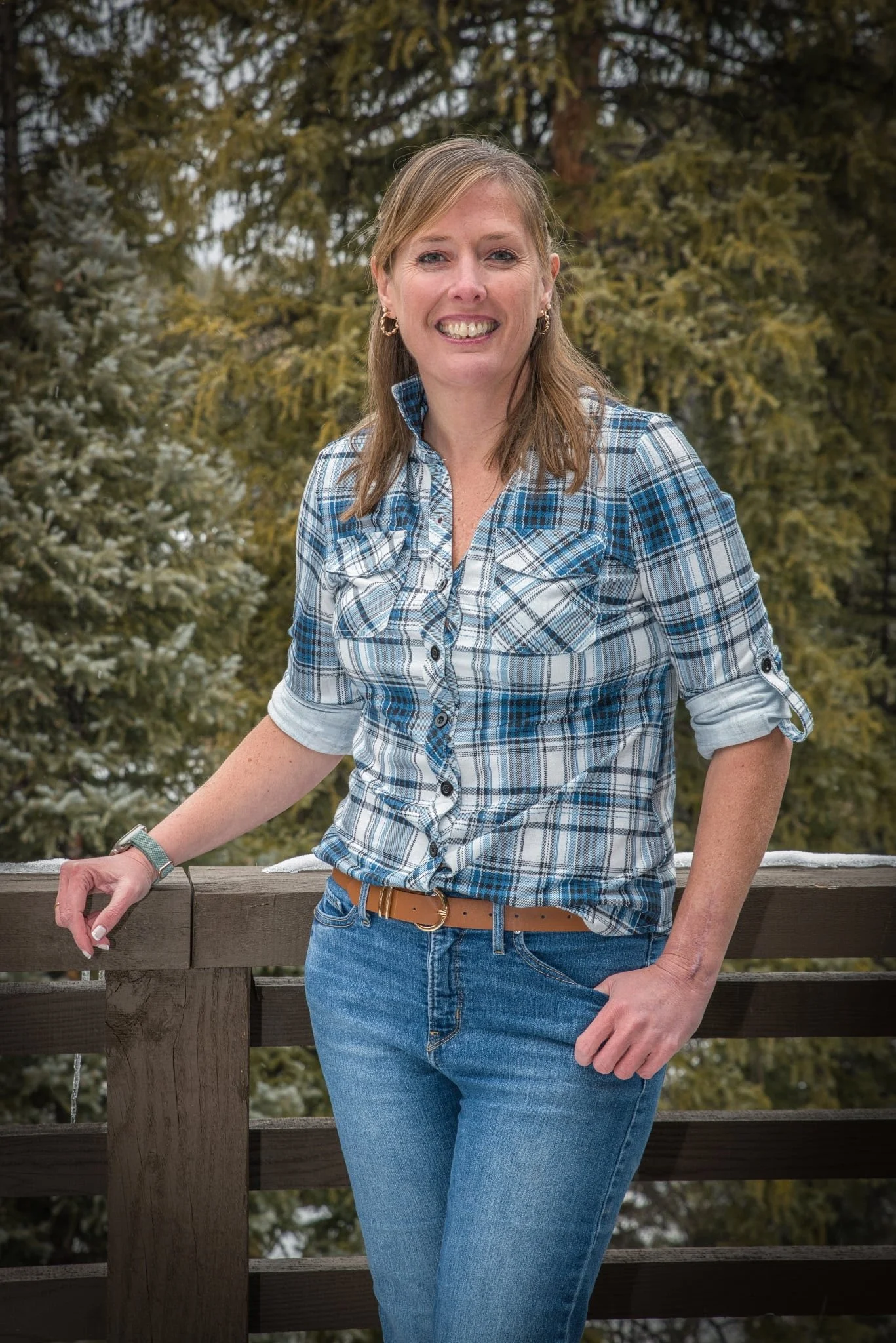
Follow Me On YouTube
I’m a Breckenridge local, business owner, and longtime community advocate focused on keeping our town livable, sustainable, and thriving. I share practical, real-world insights on housing, tourism, local policy, and what’s actually impacting our community day to day.
Follow along on YouTube for honest conversations, behind-the-scenes perspective, and ideas to help Breckenridge move forward.